Toast & Jam with creamy rich butter.
Pages
11 July 2011
Simple pleasures # 1
20 June 2011
All clammed up
There has been a fair amount of debate recently, both in the press and in my mind as to the ultimate recipe for Spaghetti alla vongole, a subtle, light and yet flavoursome pasta dish favoured in Rome and perfect for a summer lunch. It has always been a favourite of mine. I love its ease, simplicity and salty seaside tones. Spaghetti alla vongole (although I actually prefer Linguine) couldn’t be easier to make, clams which have been briefly cooked in white wine, olive oil, garlic and the merest hint of chilli, tossed with al dente pasta and sprinkled with some flat leaf parsley, what could be simpler? As with all things in life though, what sometimes appears to be simple on the surface is surrounded by deep complicated undercurrents of debate and this beautifully simple dish falls victim to that theory. The area of contention is Tomato, the purist’s: a team I’d like to consider myself as a member, will rightly debate that there is no room for the tomato in a vongole whilst there is another camp that will of course argue the complete opposite. Felicity Cloake in the Guardian writes an article each week on ‘how to make the ultimate’ and last week her ‘ultimate’ was vongole, therefore this argument was brought to a conclusion that neatly coincided with my return from a trip to Rome where this dish was on the roster, several times. It is therefore, with a raft of knowledge and on-the –ground experience, I can now reveal … bianco is best! Not that I needed Felicity or anyone else to persuade me on this as my natural bent is towards the pure. I have often had a version of this dish that includes a couple of cherry tomatoes and the sweetness they impart can on occasion be very palatable. Not so when a rich unctuous tomato sauce swamps the subtle salty offerings of the naked clam, this is definitely a no vote. In this case a mussel is a far better vehicle for a sweet sticky sauce.
When in Rome, as they say, and I was, I did indeed do what Romans do and indulged in Vongole as often as I could. Ristorante 34 nestles in a side street just off the Prada, Gucci, and Valentino mecca of via condotti. Surprising for it’s location this simple little trattoria offers some pretty good dishes, the vongole is my favourite and indeed is one of the best you can have outside of your own kitchen, aside from the oddly shaped ‘clam’ dish it was served on, a plain white round would have surpassed, but there lies another whole area of debate we won’t go into right now. Perfectly cooked pasta (you’d really expect nothing less but are often surprised) and generous helping of clams bound in a wine, garlic and parsley coating with the exact amount of chilli required to give this dish a delicate and graceful lift makes this the perfect meal for sitting at one of the little street-side tables gazing at the glamorous shoppers passing by clutching at glitzy carrier bags, the Prada carefully placed in full view.
There are many recipes but my own (with Linguine) concurs with Felicity Cloake’s ultimate version, so here it is.
Serves 4
- 500g small clams (palourdes, or carpet shell are ideal)
- 350g Linguine (dried)
-
30g butter
-
2 tbsp extra virgin olive oil
- 3 fat cloves of garlic, finely chopped
- ½ medium-hot red chilli, finely chopped
- 100ml dry white wine
-
Small bunch of flat-leaf parsley, roughly chopped
- Zest of ½ a lemon and a spritz of juice
1. Rinse the clams in cold running water, and scrub if necessary, then put them into a large bowl and cover with cold water. Salt generously and leave for a couple of hours, then drain and rinse well to remove any grit or sand.
2. Put the linguine into a large pan of salted boiling water and cook for a couple of minutes under the recommended time, until nearly done.
3. Meanwhile, put half the butter and all the olive oil in a large pan over a medium heat and soften the garlic and chilli.
4. Add the drained clams, and turn up the heat. Pour in the wine, cover and leave for a couple of minutes until most of them have opened. Discard any that are still closed. Add the others to the sauce, picking a few out of their shells for variety.
5. Drain the linguine and add to the pan along with the remaining butter. Toss well and leave for a minute, then stir through the chopped parsley, lemon zest and juice, season to taste and serve.
1 April 2011
Spring driven thing
A couple of items turned up in my veg box this week that strictly aren’t in season, but given that Riverford have organic farms both in the south of France and in Spain, the growing season is somewhat extended. Anyway I’m not complaining as I happen to love both of these vegetables and they inspired a springtime salad of autumnal veg, if you get my meaning. Juicy sweet butternut squash and delicate aniseed fennel, what a great combination, add a little mint and some nutty flavoured dressing, perfect. This is super easy, can be prepared in advance and then just thrown together. It makes a lovely stand-alone lunch or goes perfectly with some grilled fish, try some fresh Mackerel!
Butternut squash, fennel & potato salad
Serves: 4
- 1 x butternut squash
- 2 medium sized fennel bulb
- 300g potato
- 100g walnuts
- 8 mint leaves
- Rocket & watercress leaves
- Lemon juice
- 3 tbsp olive oil
- 2 tsp Sesame oil
- Brown rice vinegar, a dash
- Salt & pepper
Peel & deseed the butternut squash, cut into small 1-2cm chunks. Plunge into boiling water and blanch for a few minutes to soften. Drain and set aside. Similarly cut the potato (you can leave the skin on , especially if using small new potato) into small 1-2cm chunks and again blanch these in boiling water to soften, drain and set aside. Cut the fennel bulbs in halve and steam (place in a colander above the boiling potato is a good idea) until just getting tender. When the fennel is done, remove from the steamer and slice across the bulb into thick slices, set aside.
Heat a large frying pan, add some olive oil and quickly brown the chunks of butternut, potato and fennel in small batches until crisp and coloured, set aside on kitchen paper. Brown the walnuts until crisp and golden and again set aside.
In a large salad bowl mix the sesame oil, brown rice vinegar, tbsp olive oil, salt, pepper and lemon juice together to form a dressing, taste and adjust seasoning as desired. Place butternut, potato, fennel and walnuts in the bowl so there is a nice balance of ingredients, add the rocket and watercress leaves and tear some mint leaves into the bowl. With a spoon mix & toss everything together until it is all coated with the dressing, add another squeeze of lemon juice, adjust seasoning and serve.
Labels:
butternut squash,
fennel,
potato,
riverford organics
19 January 2011
Between the sheets
Saturday night, 10 o’clock, dinner over, the x-box is working overtime in the bedroom, three boys are full-bellied and playing out the rest of the evening, we are sipping on some red wine and slipping the last of the plates into the dishwasher, wrapping the remaining portion of lasagne for a Sunday night leftover meal. Its simplicity never fails to please, the lasagne that is, it’s warming, wholesome and fulfilling. What could be a better meal for a bunch of ever-hungry teenagers or adults? This simplistic dish however, takes a little forethought and planning to serve it at it’s very best. Let me take you back 24 hours to Friday night. The ragu, meat sauce, has been gently bubbling away for over an hour on the stove and will continue in its murmurings for another hour more until it is dark, thick and concentrated. The ragu is then put to one side to cool and left overnight, it'll intensify and mature in flavour as it marinates in it's juices until required for spreading between the pasta sheets, drizzled with bechamel sauce and baked in the oven to make the perfect lasagne.
It’s quite ritualistic making this sauce, almost therapeutic. Maybe because as a young adolescent cook it would have been one of the first recipes I attempted and over time, as I have matured in years and in my cooking ability so this simple sauce has matured and developed with me. I certainly have a particular way of constructing a ragu, it can be quick and easy in its preparation but I like to take my time over it, sipping some wine, listening to some music as I carefully chop, stir and taste: very considered and rigid in its simple ingredients, I rarely deviate from the path. I have experimented with different meats: pork, beef, or a mixture, I have added chicken livers, red wine, white wine, used fresh tomato and tinned, played around with various herb combinations but I have now decided that this sauce is the one. It may not be traditionally Italian and may not be as ‘mama’ would make (although in our household 'papa' always made the lasagne) but this recipe delivers a big rich flavour and smells terrific as it simmers gently in the kitchen, as yet I haven’t had any complaints. It is after all a very basic sauce but it's so worthwhile taking some time over it and using the best ingredients to make this lasagne recipe, as we all know ... it's what goes on between the sheets that really matters !
Lasagne al forno
Serves 6
- 500g lean, top quality minced beef
- 1 onion
- 2 celery sticks
- 1 large carrot
- 2 cloves garlic
- 1 tbsp thyme leaves
- 2 bay leaves
- 300ml chicken stock
- 100g tomato puree
- 1 glass of red wine
- 1 tsp sugar
- 1 tsp red wine vinegar
- 2 x 400g tins of tomato
- Salt & pepper
- 2 tbsp olive oil
- 8 lasagne sheets
- 50g parmesan cheese for grating
Béchamel sauce
- 600ml warm milk
- 50g butter
- 100g cheddar cheese
- 1 tbsp flour
I always use, where possible, organic vegetables and home made stock. Use an organic stock cube if you don’t have home made. I use the best tined tomato I can afford and a good full-bodied red wine, this is a large glass, about 1/3 of a bottle, cheers!
Mise en place: everything in place. When preparing a recipe I like to have everything in place, all my ingredients lined up, chopped, sliced, crushed and ready. So begin by finely chopping the onion, carrot, and celery, thinly slice the garlic, warm the stock, grate the cheese, strip the leaves from the sprigs of thyme and pour the wine. In a large sauté pan gently soften the onion, carrot, celery and garlic in a little olive oil and cover, slowly soften without browning for 6 minutes or so and then turn the heat up slightly and carefully crumble the minced meat into the pan. Mix well so the meat starts to colour evenly then season with a little salt & pepper. Cook for about 5 minutes. Add the thyme and bay leaves, the red wine vinegar and the sugar, cook for a few minutes longer until the vinegar has evaporated. Now add the tomato puree, mix well and add the red wine. Turn down the heat and cook for a while more until the wine is reduced and is barely remaining. Add the tinned tomato and the stock, stir well and turn the heat down to a slow simmer, the lowest setting you have, a very gentle lazy bubble.
The ragu now needs to cook very slowly, a couple of hours, but you need to keep an eye on it and care for it through the cooking process, stirring every now and again and topping up with a little more stock, wine or water if more liquid is required and carefully adjusting the seasoning. When it is cooked it’ll be a thick, concentrated rich meaty sauce. This can now be left in the fridge ready for the next day or freeze it for another time. When it comes to making the lasagne, re-heat the meat ragu gently to loosen, as it would have solidified somewhat in the fridge.
I always pre-cook my lasagne sheets. The ‘no pre-cooking required’ sheets that can be obtained always feel a bit stodgy and tough to me. So I use good quality dried lasagne sheets, pre cooked in boiling salted water for a few minutes and laid between tea towels until I need them.
For the white, béchamel sauce, gently melt the butter in a pan, remove from the heat when bubbling and stir in the sifted flour until smooth, return the pan to the heat and let the flour ‘cook-out’ in the butter until it is puffy, stir all the time, don’t let it burn. Remove the pan from the heat; gently and gradually stir in the warm milk until you have a velvety smooth sauce the texture of double cream. Return to the heat and cook gently, stirring all the time until the sauce thickens, you can add more milk if required but I like the end result to have a consistency of custard. Season the sauce with salt & pepper then stir in the grated cheese.
Now simply layer up all the elements but start with a thin layer of the ragu and some of the béchamel in the bottom of your ovenproof dish. Then a layer of lasagne sheets, some more ragu, more béchamel, lasagne and so on for four or five layers, pour the remaining béchamel all over the top to ‘seal’ and grate the Parmesan cheese evenly over. Place on a tray and in a medium oven, 180 degrees, for 30 minutes or until browned and crisp on the surface and bubbling around the sides of the dish.
2 January 2011
How about it sweet cheeks
There is, it has to be said, a quietly indulgent sense of self-satisfaction that derives from the creation of something outstandingly delicious from the most meagre & humble of ingredients. Champagne flavour with a beer budget and there could be no more a humble ingredient than the long forgotten beef cheek. I was in Waitrose the other day and I was surprised to see some lovely looking beef cheeks at the butchers counter. The cheeks weighed in at a very respectable £4.35 (£4.49 per kg as of 4/01/2011) for nearly a kg of meat enough for four or five very generous portions. It’s so refreshing to see a supermarket stocking obscure cheap cuts of meat again. I just hope they remain cheap and affordable and not, as is all to often the case, becoming a trendy gastro menu item pushing up demand and therefore the price: as with pork belly for instance.
I remember as a child my mother and father would prepare family dinners that would often comprise of cuts such as beef brisket: salted and turned for two weeks in the larder (yes, we had a larder a rare commodity these days) and then boiled and served with carrots. Lamb breasts: rolled and roasted with lemon and thyme stuffing, resulting in crispy lamb skin with an oozing and succulent interior or tender juicy ox tongue served with the creamiest mashed potato, wilted spinach and served with a gorgeous piquant gravy, lambs kidneys served with rice, sautéed chicken livers and other offally delights. There is something quite unique and special about these dishes, a richness and depth of flavour that to my mind far outstrips an expensive fillet steak, topside or pork leg any day. These cheaper cuts pack a big flavour, some interesting varied textures and allow some slow, considered and indulgent cooking. Sainsbury's have been selling Lamb breast for a while now and with Waitrose stepping up the game with items such as shin, skirt and cheeks it won't be too long before the others follow suit. In the meantime there are enough farmers markets, farm shops and even a renaissance for the high street butcher, here in Brighton we actually had a new one open fairly recently. You can buy excellent meat online ( although I'm a bit funny about seeing what I'm buying when it comes to meat ) Donald Russell sells beef cheeks but at a top end price of £13.75 per kilo: see what i mean about these cuts getting expensive. So get down to your local butcher or farm shop and snap up some of these sweet little cheeks before they start to leave a bitter taste in your wallet.
Beef cheeks can be used in various ways but for this recipe I cooked them as if in a daube provencale or a bourguignon style. I kept the meat in large pieces; I didn’t trim out the fat or sinew so the fat slowly melts, flavouring and tenderising the meat as it cooks. I just cut the cheeks into four or five portions and marinated the meat for 24 hours before cooking. Slow cooked for four hours in red wine and meat stock (I used venison), carrots, onions and my secret ingredient, a little star anise, the result was fantastic: mouth-watering flavour that had depth and richness, the meat was soft, tender, succulent and extremely delicious. Pop this dish in the oven, prep your vegetables (creamed parsnip and peppered steamed cabbage in this case) and head off for a brisk wintry walk or to the pub for a couple of beers. Returning home a few hours later you’ll find the house filled with warm beefy aromas and in no time an indulgent lunch will be on the table and it would have cost less than a couple of pints!
Beef cheeks daube style
Serves:4- 800g beef cheeks
- 3 medium onions sliced
- 4 large carrots cut into batons
- 1 celery stalk finely chopped
- 1 small leek finely chopped
- 2 rashers of bacon finely chopped
- 2 garlic cloves
- 3/4 bottle of red wine
- 600ml meat stock
- 4 tbsp flour
- Thyme sprigs
- 4 Bay leaves
- 10 juniper berries, crushed
- ½ a star anise
- olive oil
- salt & pepper
Once cooked this dish will improve with age, make it the day before and reheat gently before serving.
Serve with creamed parsnips and a green vegetable.
4 November 2010
Crunch time
Yes it’s that glorious time of year where everything gets just a little bit crunchy. The trees are changing colours and soon we’ll be wading through pavements and fields knee deep in crisp golden leaves, clear blue skies overhead and clouds of condensing breath in the air. The seasonal produce on offer from stores, markets and farm shops reflect the colours and hues of the season: golden and purple swedes, burnt orange pumpkins, moss-like kale leaves, frosty white leeks and deep green crinkled cabbage. It’s the time of year when traditionally our thoughts turn, quite rightly, to warming soups, stews, compotes and deep rich meats and game with distinctive earthy flavours but there’s still time for something a little lighter and fresher. In this crisp and crunchy salad-come-autumnal-coleslaw you'll find a refreshing, tangy, Asian twist that is the perfect compliment to the season.
Try adding bean sprouts, noodles or both, maybe some stir fried crispy chunks of chicken or serve this coleslaw, as is, along side some roasted pork belly with crackling. The dressing would make a perfect marinade for fish too: sticky, sweet and sour.
Winter coleslaw with Asian dressing
Serves:4
- ½ a cabbage, green or white shredded
- 3 carrots coarsely grated
- 2 apples grated
- 1 red pepper finely sliced
- 2 tbsp of crushed roasted peanuts
Dressing
· 1 clove garlic crushed
· ½ onion finely chopped
· 1 red chilli chopped
· 1 tbsp of thai fish sauce
· 11/2 tbsp of brown sugar
· 3 tbsp of lime juice
· a dash of sweet chilli sauce
Put all the raw vegetables chopped, sliced or grated in a large bowl. Mix all the dressing ingredients in a blender and blitz for a few seconds. Pour the dressing over the veg and toss well, serving with a sprinkle of the crushed peanuts.
2 November 2010
Smashing pumpkins
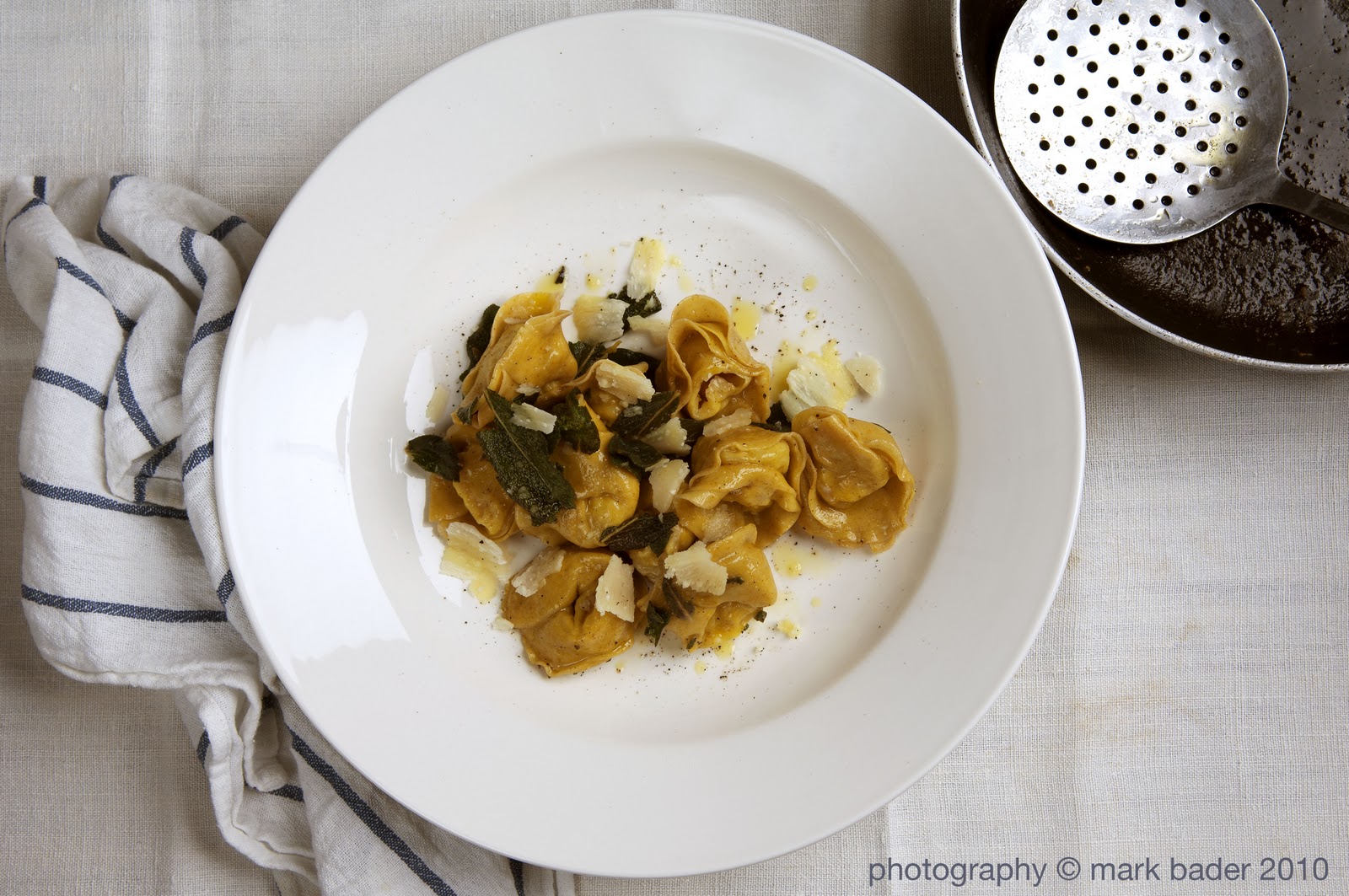
Halloween having just passed we naturally find ourselves with a slight excess in the pumpkin department: even though the living room is abundantly decorated with triangular cut, slanty eyed faces that the kids have enthusiastically carved, glowing and glowering, on shelves, mantles and in obscure corners, the room is filled with an autumnal aura … and an acrid smell of burning vegetable flesh. Every year I try to ‘do’ something with pumpkin, I’ve experimented with pumpkin pies, pumpkin soups, roasting and mashing the golden flesh, but have come to the conclusion that none of the above really excites me that much. Pies are often glutinous and any pumpkin flavour is masked by nutmeg and cinnamon, not a bad thing as it turns out, but then I question as to why include the pumpkin in the first place. Soups are never quite ‘there’ for me: I only once had a decent soup but again the over riding flavour was celery this time, whilst warming and an attractive colour the pumpkin seemed to be lurking around rather than bursting out. Lets face facts, pumpkin isn’t the worlds most flavoursome ingredient: despite being one of the most popular crops in the United States of America where about 1.5 billion pounds are cultivated each year. It does however have quite an interesting texture if handled in the right way and this year I stumbled upon a pasta recipe that seems to finally do the pumpkin proud. The trick is to roast thick slices of pumpkin with the skin intact then, when tender and almost cooked through, scrape the flesh into a sieve or colander and let it drain and dry overnight (for at least the best part of the day). The true genius in this recipe though is the way the pumpkin flesh, now mashed coarsely, is combined with pear and parmesan cheese and a little garlic to create a tangy, sweet, textured and delicious filling for tortellini pasta. Squash and pasta are old and well acquainted partners; think of butternut and sage for instance, both as a filling and as a fantastic variation for gnocchi. This recipe for the pumpkin is similar in the fact that the dish is finished with a smoky sage and butter sauce but the texture and the fresh fruity finish are quite unique.
Pumpkin & pear tortellini
Serves: 4
For the filling- the day before
- 1 pumpkin, about 2kg
- 100g grated fresh parmesan cheese
- 100g pear flesh, grated
- 1 clove garlic, crushed
- Salt & pepper
For the pasta
- 300g tipo ‘00’ flour
- 3 eggs
- 1 tspn of turmeric
For the sauce
- 100g butter
- A handful of sage leaves
- Half a cup of vegetable stock
There are so many pasta recipes so find one you can work with, the process and technique is pretty standard, I add the turmeric to give the pasta a deep yellow colour. Fill your rolled out pasta with the pumpkin filling, shape into tortellini and leave to air until needed. Cook in plenty of boiling salted water for about 4 mins. Melt the butter in a frying pan; add the sage leaves and fry for a minute, splash in the stock and season. When cooked toss the tortellini in the sage butter sauce and serve immediately.
Subscribe to:
Posts (Atom)