Pages

Showing posts with label sage. Show all posts

2 November 2010

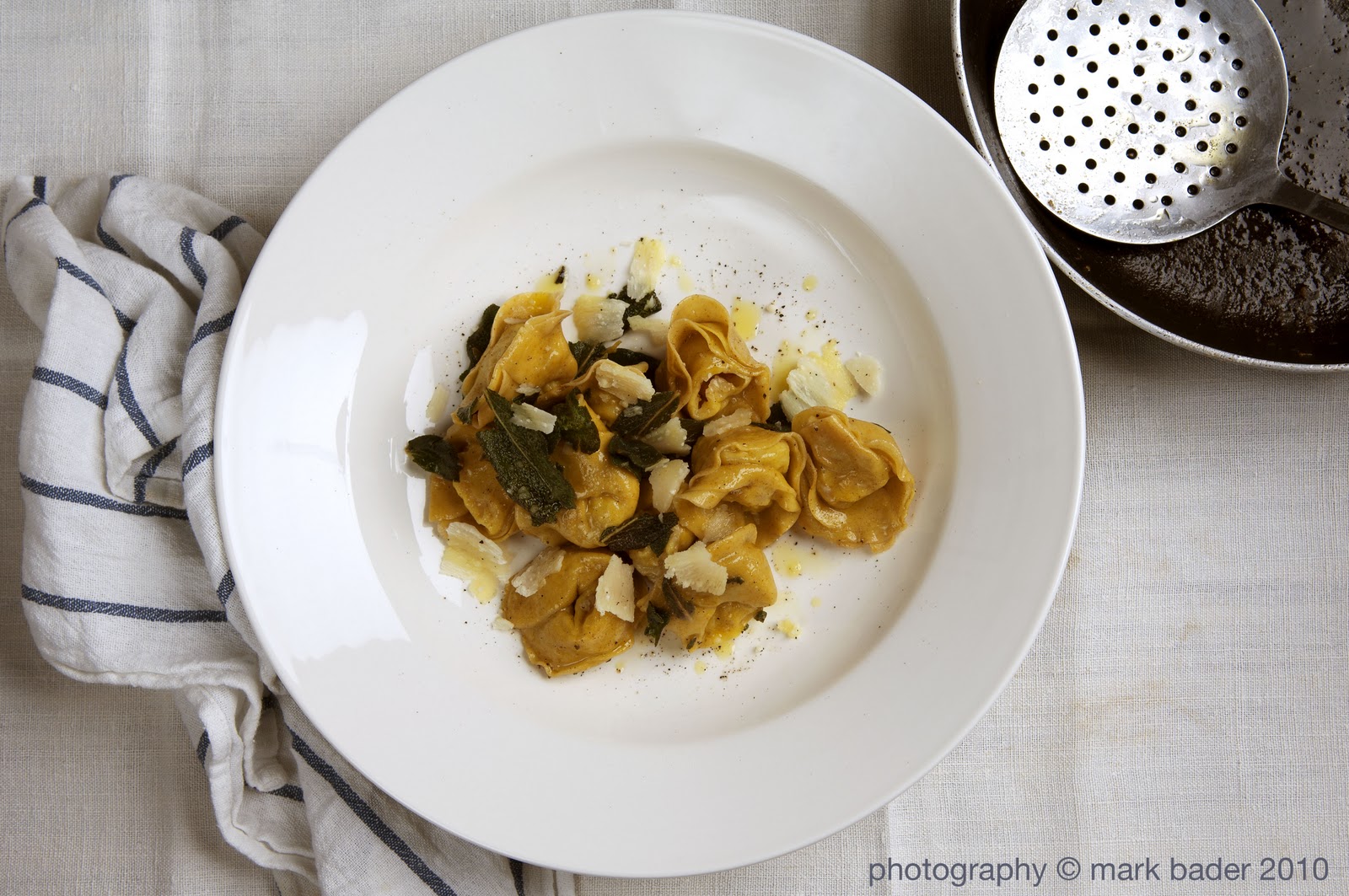
Smashing pumpkins


Halloween having just passed we naturally find ourselves with a slight excess in the pumpkin department: even though the living room is abundantly decorated with triangular cut, slanty eyed faces that the kids have enthusiastically carved, glowing and glowering, on shelves, mantles and in obscure corners, the room is filled with an autumnal aura … and an acrid smell of burning vegetable flesh. Every year I try to ‘do’ something with pumpkin, I’ve experimented with pumpkin pies, pumpkin soups, roasting and mashing the golden flesh, but have come to the conclusion that none of the above really excites me that much. Pies are often glutinous and any pumpkin flavour is masked by nutmeg and cinnamon, not a bad thing as it turns out, but then I question as to why include the pumpkin in the first place. Soups are never quite ‘there’ for me: I only once had a decent soup but again the over riding flavour was celery this time, whilst warming and an attractive colour the pumpkin seemed to be lurking around rather than bursting out. Lets face facts, pumpkin isn’t the worlds most flavoursome ingredient: despite being one of the most popular crops in the United States of America where about 1.5 billion pounds are cultivated each year. It does however have quite an interesting texture if handled in the right way and this year I stumbled upon a pasta recipe that seems to finally do the pumpkin proud. The trick is to roast thick slices of pumpkin with the skin intact then, when tender and almost cooked through, scrape the flesh into a sieve or colander and let it drain and dry overnight (for at least the best part of the day). The true genius in this recipe though is the way the pumpkin flesh, now mashed coarsely, is combined with pear and parmesan cheese and a little garlic to create a tangy, sweet, textured and delicious filling for tortellini pasta. Squash and pasta are old and well acquainted partners; think of butternut and sage for instance, both as a filling and as a fantastic variation for gnocchi. This recipe for the pumpkin is similar in the fact that the dish is finished with a smoky sage and butter sauce but the texture and the fresh fruity finish are quite unique. 

Pumpkin & pear tortellini

Serves: 4

For the filling- the day before

  • 1 pumpkin, about 2kg
  • 100g grated fresh parmesan cheese
  • 100g pear flesh, grated
  • 1 clove garlic, crushed
  • Salt & pepper

For the pasta
  • 300g tipo ‘00’ flour
  • 3 eggs
  • 1 tspn of turmeric

For the sauce
  • 100g butter
  • A handful of sage leaves
  • Half a cup of vegetable stock


Cut the pumpkin into wedges, deseed and place in a roasting tin, sprinkle with salt and roast at 180degrees for about 45 minutes or until just tender. Allow to cool and then scrape the pumpkin flesh into a sieve or colander, place a plate or saucer on top and rest in a bowl to allow any excess liquid to drain from the flesh. This should be left for at least 5 hours but if the pumpkin seems very wet then leave to drain overnight. When thoroughly dry place the pumpkin flesh in a bowl and coarsely mash or place in a blender and blitz. Add the Parmesan cheese, pear, garlic and season well with salt & pepper.


There are so many pasta recipes so find one you can work with, the process and technique is pretty standard, I add the turmeric to give the pasta a deep yellow colour. Fill your rolled out pasta with the pumpkin filling, shape into tortellini and leave to air until needed. Cook in plenty of boiling salted water for about 4 mins. Melt the butter in a frying pan; add the sage leaves and fry for a minute, splash in the stock and season. When cooked toss the tortellini in the sage butter sauce and serve immediately.

14 May 2010

Can we talk ... Rabbit


The game season is one of the most exciting and flavoursome culinary events in the calendar and coincides with the best of the years’ mushrooms, earthy vegetables and fruit. The 12th of August heralds in the grouse, 1st of September the Partridge and from then until Christmas, when plump little pheasants are plentiful and at their tastiest, local markets are resplendent with displays of birds, hares and venison. By the end of January the season is all but over and for true game lovers a long layover is ahead. There is, it has to be said, a good deal of farmed game available these days but you just can’t beat the true taste of the wild.

My particular love of game was inspired by my fathers’ own obsession. Pheasant has always been a feature of an autumnal repast and usually a couple of brace had been lodged in the freezer so in the dwindling months between season the wafting aroma of a pheasant gently turning on the spit in the kitchen was a mouth watering delight. Hare has always been a another family favourite and I remember cooking it myself for the first time, slowly marinating and then roasting some saddles, prizing the mignon off the bone and serving the rich, fudge-like meat in a deep gravy infused with juniper and red wine. Game meat always feels special, a treat and something to be savoured. So whether pheasant, partridge, venison, wild boar or hare, during the game season a frisson of excitement sweeps through the house. I recall one Christmas when stuck for inspiration as to what on earth we could bestow upon dad as a present (my father is a man who would rather annoyingly have already purchased the latest book, cd or gadget only weeks previously, leaving us all floundering for gift ideas) that we had the ingenious thought of buying him a joint of venison. A large and very beautiful saddle of venison was duly procured from a local butcher, presented a few days early and devoured with gusto for Christmas lunch.

So now it’s May, wintry thoughts long dispatched and summer is lurking just around the corner. The larder is full of the new seasons offerings, the woods are carpeted with bluebells and spring lamb is on the butchers slab. It was with delight then, whilst wandering through the stalls, marquees and stands at a local food festival the other week that I happened upon the Chanctonbury Game company, purveyors of all things gamey, they had a small tent, a little oasis amongst the jams, chutneys, cheeses, vegetables and oddly, Thai noodle stalls that seem to frequent such events. Here in a couple of fridge cabinets were a whole display of meaty treats. Venison mostly, but some duck & pigeon breast, sausages and burgers of course and lo and behold, some gorgeous wild rabbit, two for a fiver!

Rabbit in the farmed variety is becoming more readily available these days as us Brits wake up to a fact that our continental counterparts have been long aware of. Rabbit is delicious. It’s healthy, lean meat is easy to cook and a tasty alternative to chicken. Wild rabbit on the other hand is a more gamey tasting species, needs a little bit more thought when cooking and is a deeper more flavoursome offering for those of us still hankering for the season past. There are many ways to cook a rabbit and it’s flesh partners well with mustard, prunes and smoky bacon. Slow cooking until the meat is almost falling from the bones or combining with pork or sausage in a casserole, removing the flesh and creating a rich sauce for pasta are all ideal ways to enjoy this plucky little beast. Many recipes call for vigorous washing of the portions prior to cooking but I find preparing it, as it comes, with all it’s natural juices gives a slightly stronger flavour and one that I particularly enjoy. It’ll probably need nearly 2 hours of slow cooking to be at it’s best as it can be ‘sinewy’ when cooked to quickly. In this recipe the flavours are rich and yet there is a subtle lightness more in keeping with current season and all that you are likely to prepare as an accompaniment. Serve it simply with a fresh salad and some crusty bread to mop up the juices, perfect for a spring supper.

Wild rabbit with pancetta & sage


Serves: 4 
  • 1 wild rabbit (whole or butchered) 
  • 2 medium onion 
  • 2 cloves garlic 
  • 1 leek 
  • 1 bay leaf 
  • 100g pancetta cubed 
  • 500ml white wine 
  • 6-8 sage leaves 
  • 1 tbsp flour 
  • 2 tbsp olive oil 
  • 400ml water 
  • Salt & pepper 
Joint the rabbit but retain all unused bones and the carcass. In a large saucepan fry 1 onion, half the leek and a crushed garlic clove in a little olive oil, add the rabbit bones and brown well over a high heat. When nicely browned deglaze the pan with 200ml of white wine, add the bay leaf, season and allow to reduce by half. Now cover all the ingredients with water and boil for 30 mins or so to reduce by half again until you have a rich stock. Strain this stock through a fine sieve and put to one side.

Fry the pancetta cubes in a little olive oil until crisp and golden brown and place to one side on a piece of kitchen paper. Season the flour with salt & pepper and dust the rabbit joints. In the same pan brown the rabbit portions in the pancetta fat (you may need a little more olive oil) and when golden brown put on kitchen paper to one side.

In a heavy casserole dish with a tight fitting lid gently fry the remaining onion, garlic and leek in a little olive oil until softened. Now add the pancetta and rabbit pieces. Pour over the remaining white wine, the reduced rabbit stock you made earlier, tear up some sage leaves and scatter these in to the dish. Season with more salt & pepper and mix and turn the ingredients before covering and placing in the oven for 1 1/2-2 hours until the flesh is tender and almost falling of the bone.